Research & physics
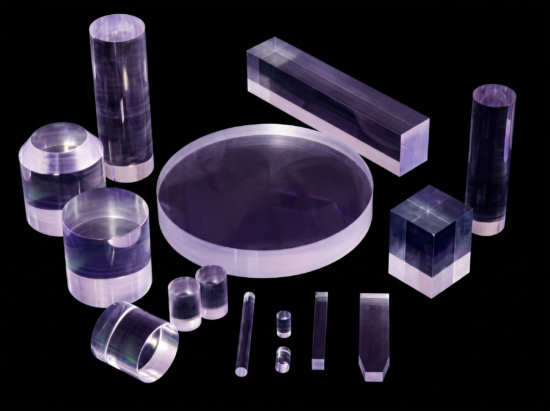
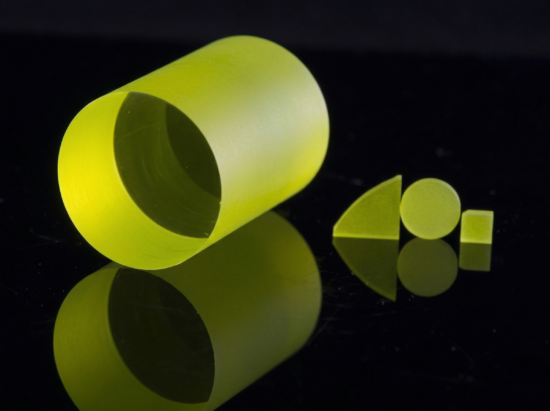
Scintillating materials for particle detection, timing studies and experimental detector configurations.
Specification focus
- Active area & thickness
- Timing & light collection
- Surface finish & coupling
Explore products and technical resources
Explore material starting points for research, radiation measurement, laser systems and photonics. Your design requirements guide the final selection.
Scintillating materials for particle detection, timing studies and experimental detector configurations.
Crystal materials and arrays for gamma detection, spectroscopy and imaging readout development.
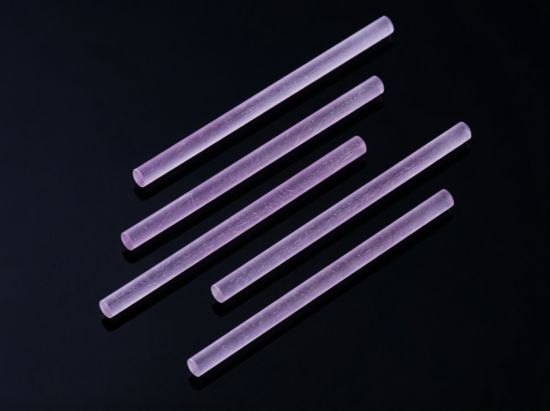
Laser crystals and passive Q-switch materials for optical design and solid-state laser development.
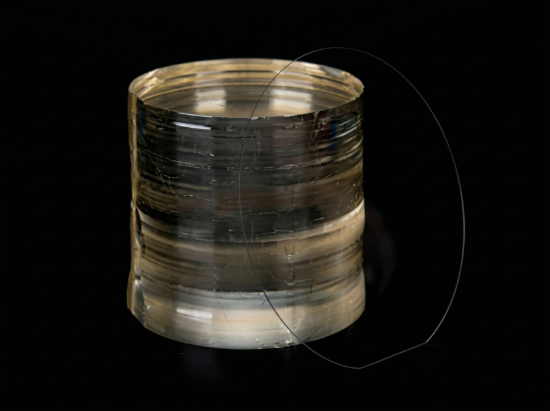
Optical-grade single-crystal wafers for photonic research and component processing.
Read the original application notes
for research and instrument development.
ATR Crystal supplies laser crystals and passive Q-switch components for research and OEM laser systems. Material, dopant concentration, finished geometry and coating requirements can be reviewed against your specification.
Read application
Scintillator selection for defense and aerospace research starts with the measurement task and the component specification. ATR Crystal lists scintillation crystals, pixelated arrays and plastic scintillators for laboratory gamma spectroscopy, radiation-monitoring research and instrument prototypes.…
Read application
ATR Crystal supplies scintillation crystals, pixelated arrays and plastic scintillators for OEM security and inspection projects. Material selection starts with the measurement: an X-ray image, a radiation count or a gamma-ray spectrum.
Read application
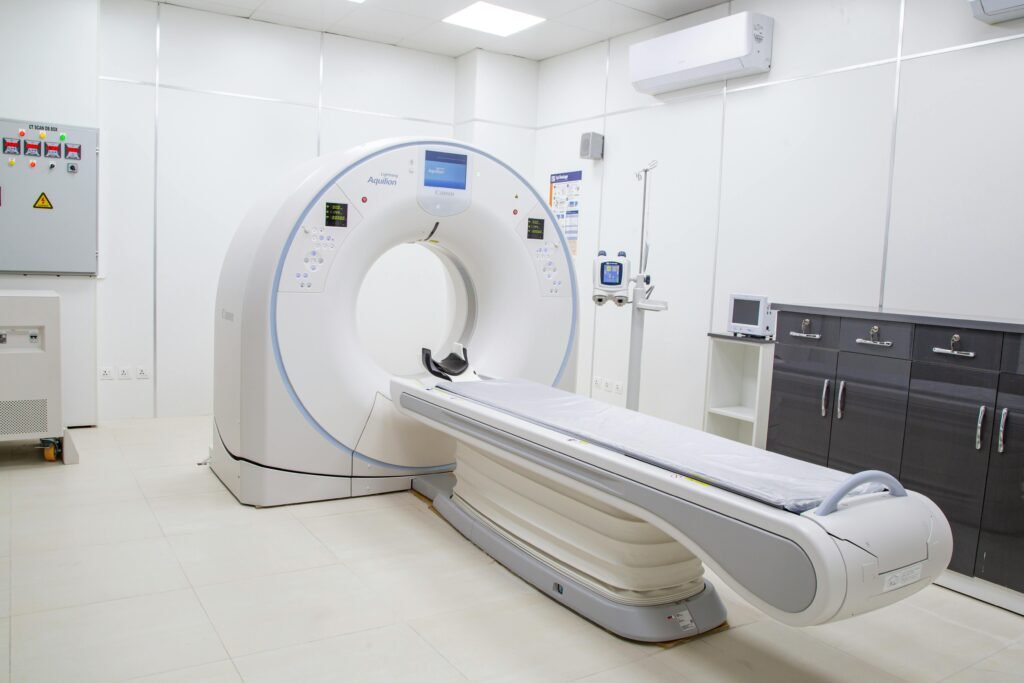
Medical imaging scintillators should be selected around the detector's measurement and optical interface. PET timing, SPECT energy measurement and X-ray imaging place different demands on the crystal, array geometry and readout.
Read application
ATR Crystal supplies scintillation crystals, pixelated arrays and plastic scintillators for spectroscopy, particle counting and detector development. The selection depends on the radiation being measured, required signal response, detector geometry and optical readout.
Read application