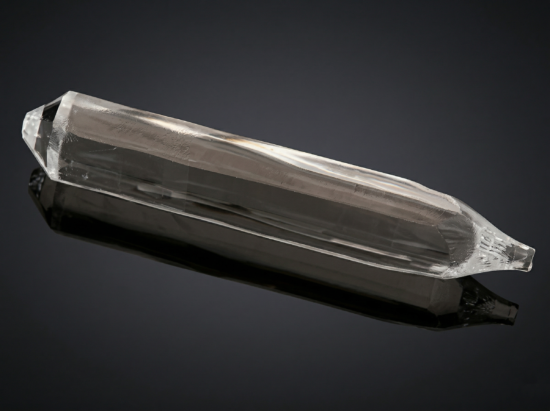
Diffusion Bonding Crystal
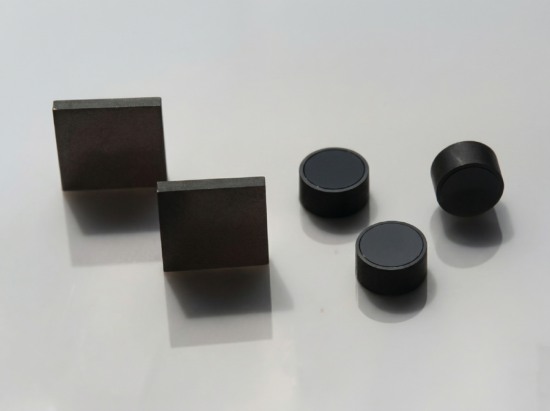
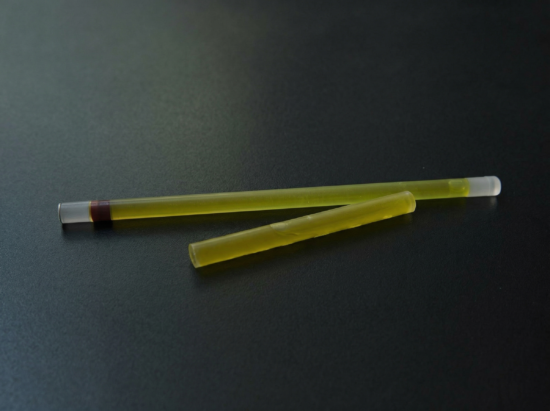
Diffusion bonded laser crystal assemblies combine a doped gain crystal with undoped end caps or a passive Q-switch crystal to improve thermal management and…
View DetailsLaser crystal materials
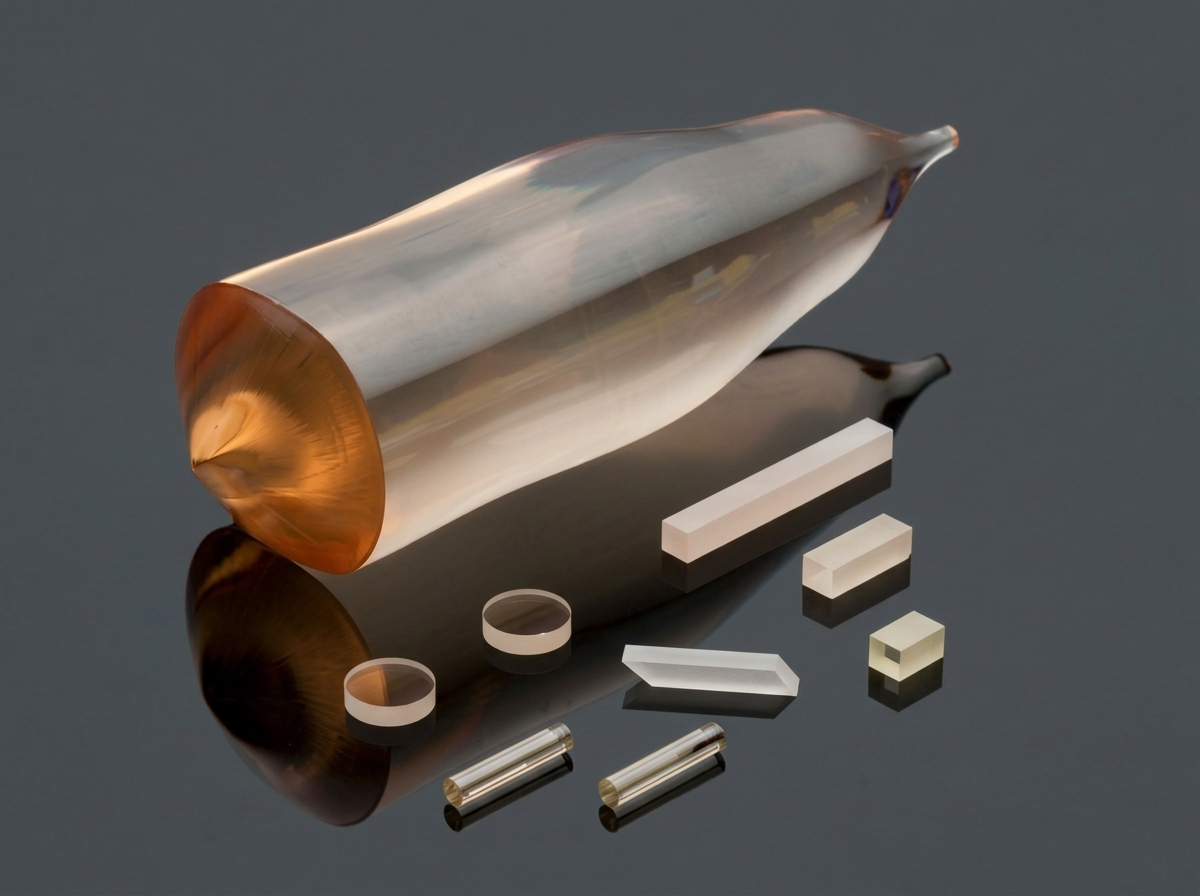
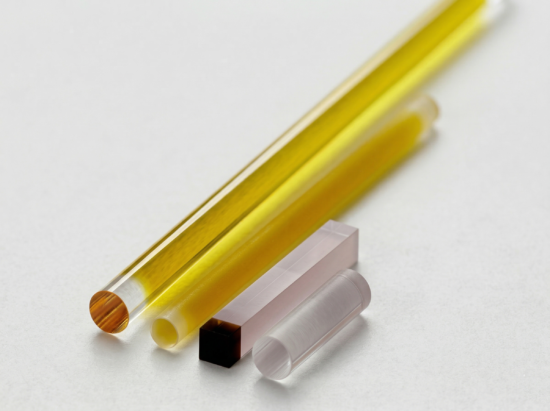
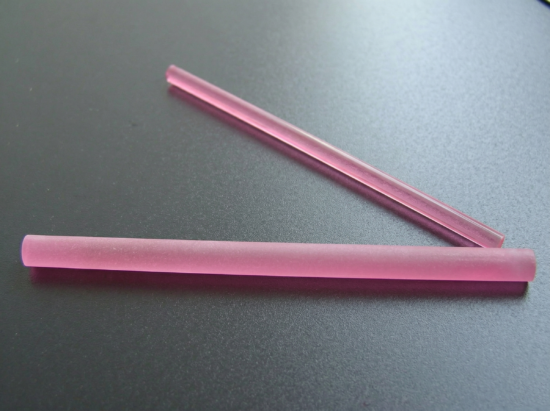
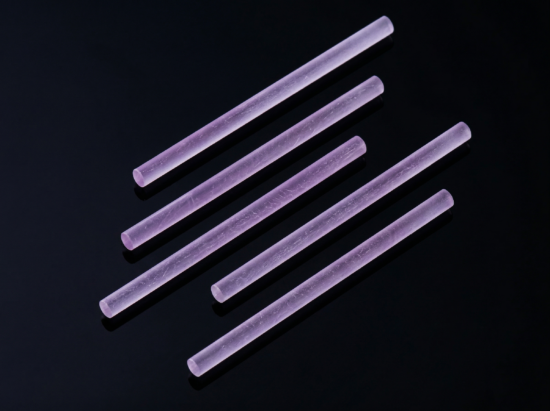
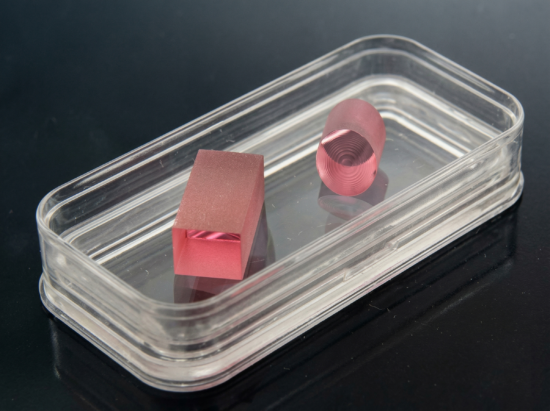
ATR Crystal supplies custom laser crystals and optical components for solid-state laser systems, including Nd:YAG, Nd:YVO4, Cr:YAG, Er:YAG, Yb:YAG, Ti:Sapphire and specialty YAG-based materials. As a laser crystal supplier for R&D, prototype and OEM projects, ATR can review doping concentration, orientation, crystal geometry, AR/HR coating, end-face quality, surface quality and thermal management requirements. Products can be manufactured as rods, slabs, discs, end caps and diffusion-bonded assemblies according to your wavelength and laser cavity design.
Selection guide
| Crystal | Typical role | Common laser systems |
|---|---|---|
| Nd:YAG | High-gain 1064 nm laser crystal with strong mechanical and thermal performance. | Industrial marking, cutting, welding, range finding and medical laser systems. |
| Nd:YVO4 | High absorption and polarized output for compact diode-pumped lasers. | DPSS green lasers, compact modules and low-to-medium power solid-state lasers. |
| Cr:YAG | Passive Q-switch material commonly used with Nd:YAG or Nd:YVO4 lasers. | Compact pulsed lasers, range finding and passively Q-switched 1064 nm systems. |
| Er:YAG | 2940 nm laser crystal with strong absorption in water-rich tissue. | Dental, dermatology, aesthetic and medical laser applications. |
| Yb:YAG | Ytterbium-doped YAG crystal for efficient high-power and ultrafast lasers. | Thin-disk lasers, high-power DPSS lasers and ultrafast laser development. |
| Ti:Sapphire | Broadly tunable crystal material for ultrafast femtosecond laser sources. | Femtosecond lasers, spectroscopy, research systems and tunable laser platforms. |

Available products
Diffusion bonded laser crystal assemblies combine a doped gain crystal with undoped end caps or a passive Q-switch crystal to improve thermal management and…
View Details
Nd:Ce:YAG laser crystal is a neodymium and cerium co-doped YAG gain medium for 1064 nm flashlamp-pumped and pulsed solid-state laser systems. Ce co-doping can…
View Details
Cr:YAG laser crystal, also known as Cr4+:YAG, is a chromium-doped YAG saturable absorber used for passive Q-switching of Nd and Yb laser systems. It…
View Details
Er:YAG laser crystal, also known as erbium-doped yttrium aluminum garnet, is a solid-state laser gain medium used for emission around 2940 nm. This wavelength…
View Details
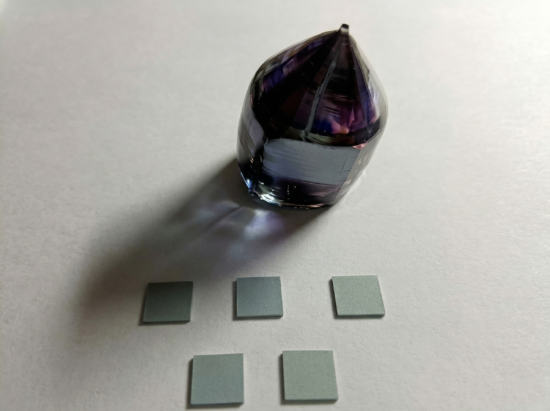
Ti:Sapphire laser crystal, also known as titanium-doped sapphire or Ti:Sa, is a broadly tunable gain medium used for femtosecond lasers, ultrafast oscillators, regenerative amplifiers,…
View Details
Nd:YVO4 laser crystal is a neodymium-doped yttrium orthovanadate gain medium for compact diode-pumped solid-state lasers, especially 1064 nm DPSS lasers and frequency-doubled 532 nm…
View Details
Yb:YAG laser crystal is a ytterbium-doped YAG gain medium used for high-power diode-pumped solid-state lasers, thin-disk lasers, ultrafast laser systems, and industrial laser sources…
View Details
Nd:YAG laser crystal is a neodymium-doped YAG gain medium widely used for 1064 nm solid-state lasers, including CW, pulsed, Q-switched, industrial, medical, range-finding, and…
View DetailsManufacturing support
Custom rods, slabs, discs, plates and end caps can be supplied according to system drawings and mounting requirements.
Polishing, beveling, parallelism control and optical coatings can be specified for laser cavity and pump configuration.
Diffusion-bonded crystals and end-cap designs are available for thermal management in high-power laser systems.
Send material, size, quantity, surface treatment and application requirements. Drawings are recommended for custom geometries, arrays and assemblies.
FAQ
Nd:YAG is one of the most common choices for 1064 nm solid-state lasers. Nd:YVO4 is also used in compact diode-pumped laser systems.
Cr:YAG is commonly used as a passive Q-switch for generating short pulses in Nd:YAG and Nd:YVO4 laser systems.
Yes. Coating requirements such as AR or HR coating should be specified with wavelength, surface, damage threshold and laser configuration.