Scintillation Crystals

Scintillation Crystals

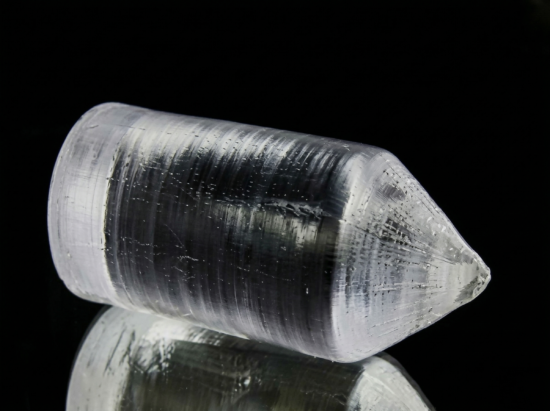
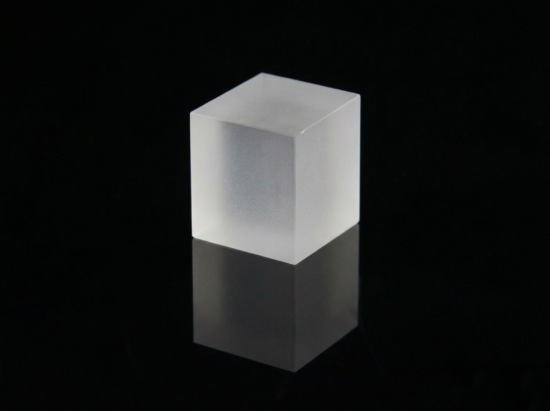
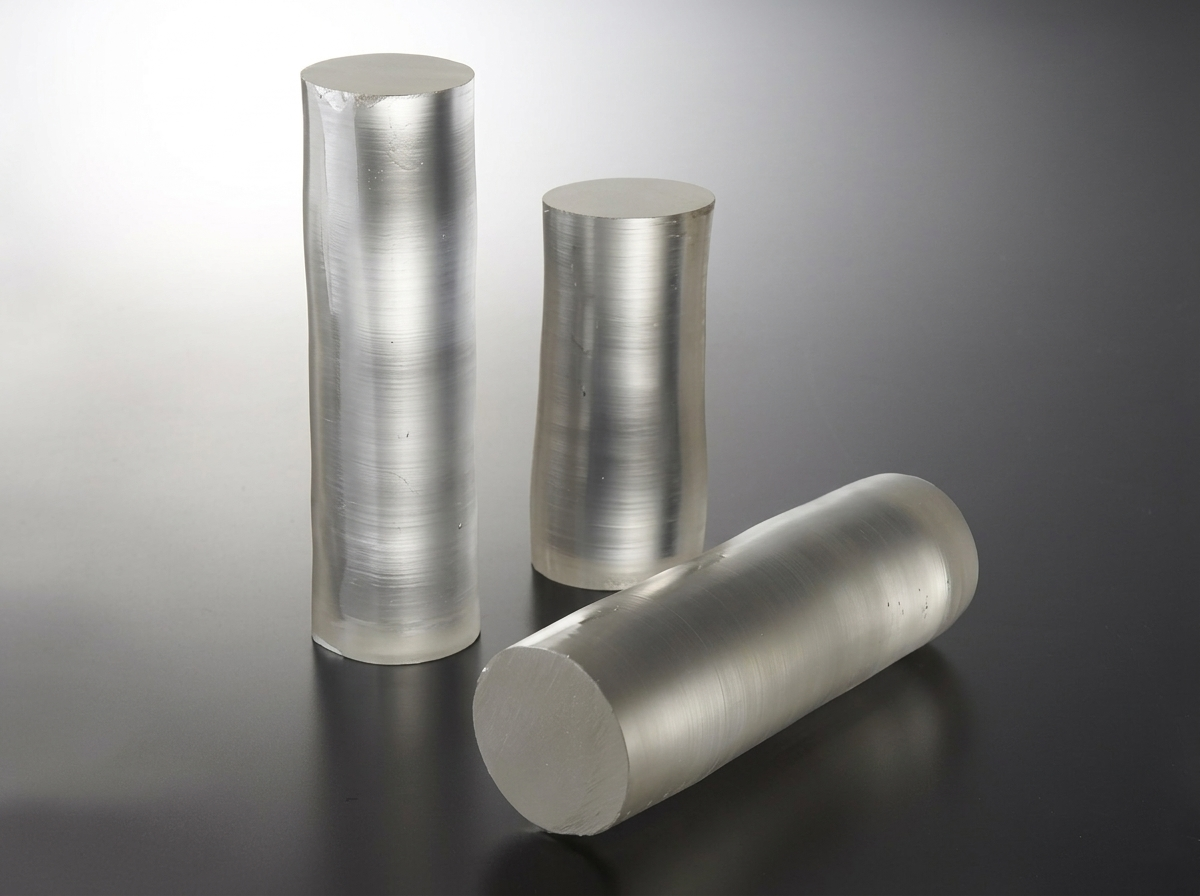
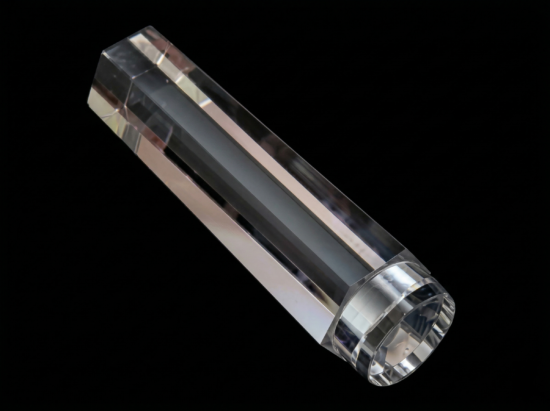
Custom Scintillation Crystals for Radiation Detection

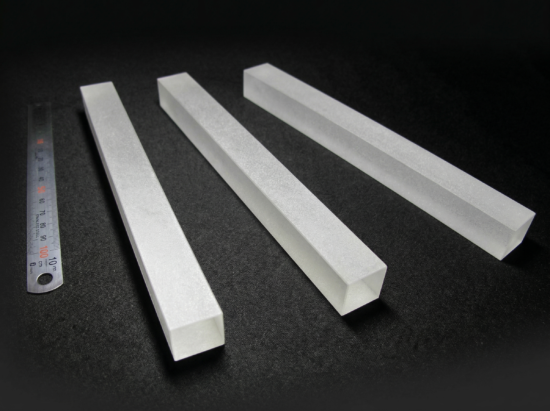
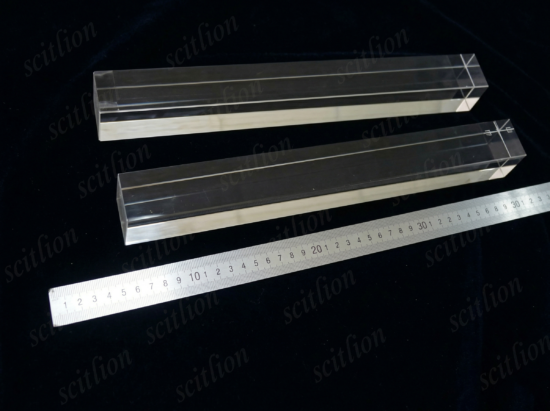
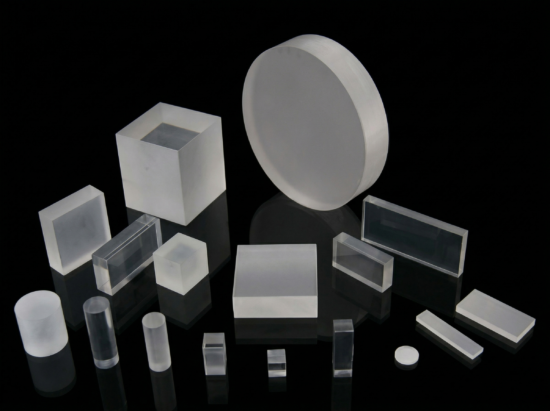
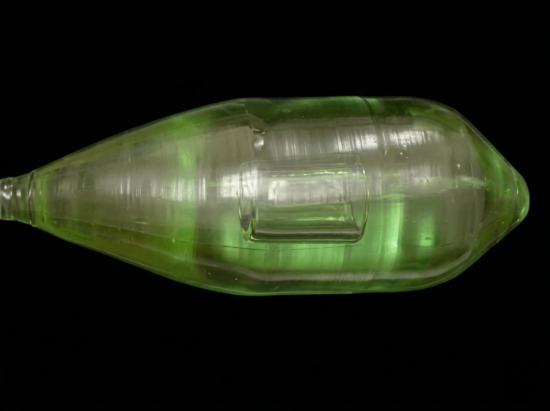
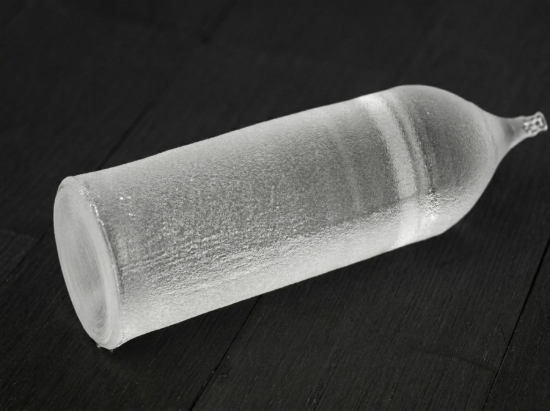
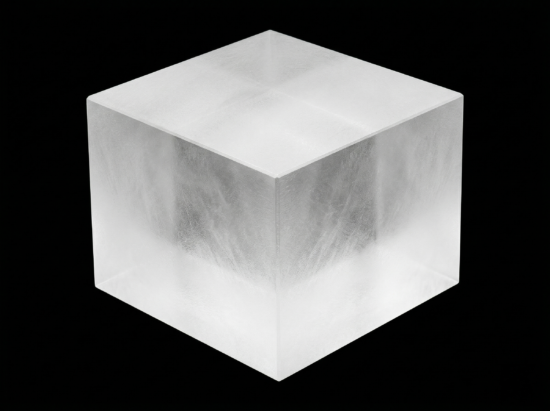
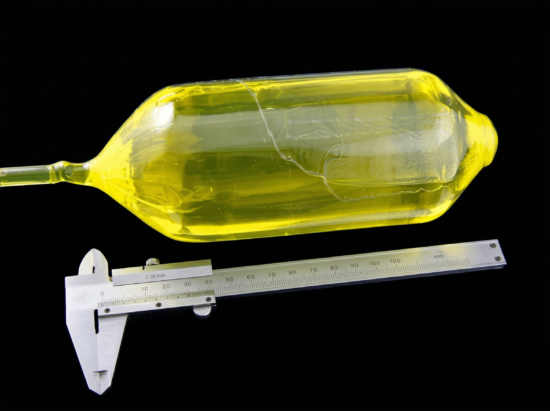
ATR Crystal supplies custom inorganic scintillation crystals for gamma-ray detection, X-ray imaging, spectroscopy, nuclear medicine, high-energy physics, security inspection, and industrial measurement. This guide helps engineers compare common scintillator materials and connect each material to the correct product page.

Scintillation crystal selection depends on density, light yield, decay time, emission wavelength, energy resolution, hygroscopicity, intrinsic background, mechanical behavior, and readout method. A material that is excellent for TOF-PET may not be the best choice for low-background spectroscopy, while a high-light-output material may need more careful packaging if it is hygroscopic.

Scintillation Crystal Selection Guide

MaterialTypical StrengthKey DataRecommended Product
LYSO(Ce)Fast timing, PET, TOF-PET, compact gamma detectionHigh density, about 36 ns decay, 420 nm emission, non-hygroscopicLYSO(Ce) Crystal
NaI(Tl)Gamma spectroscopy and general radiation detectionHigh light yield, about 250 ns decay, hygroscopic and normally hermetically sealedNaI(Tl) Crystal
CsI(Tl)X-ray imaging and photodiode readoutGreen emission around 550 nm, high light output, slight hygroscopicityCsI(Tl) Crystal
BGOHigh stopping power and no intrinsic backgroundDensity about 7.13 g/cm3, 480 nm emission, about 300 ns decayBGO Crystal
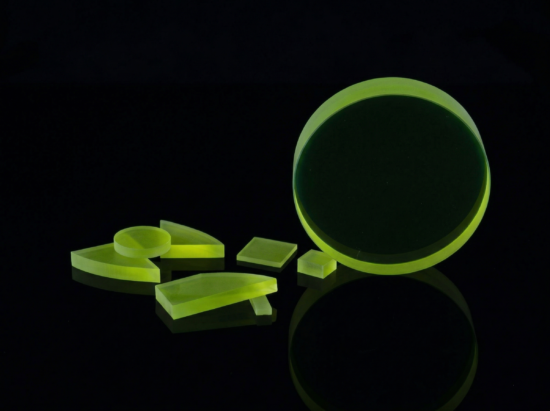
GAGG(Ce)High light output with non-hygroscopic handlingDensity about 6.6 g/cm3, 520 nm emission, type-dependent decayGAGG(Ce) Crystal
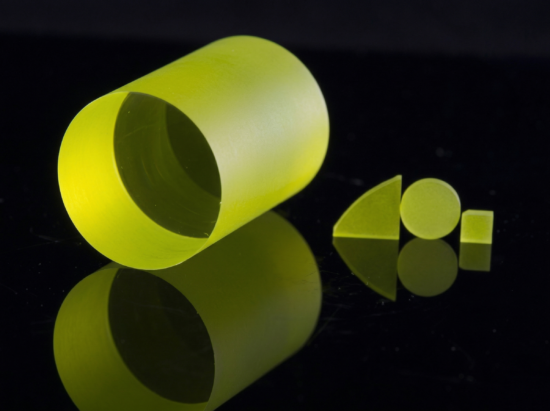
CdWO4CT, security inspection, low-afterglow scanning systemsDensity about 7.9 g/cm3, very low afterglow, slow decayCdWO4 Crystal
LaBr3(Ce)High-resolution gamma spectroscopyFast decay and excellent energy resolution; hygroscopic, encapsulation requiredLaBr3(Ce) Crystal

Related Scintillator Product Families

Application Fit

For TOF-PET and compact gamma modules, LYSO(Ce) is usually the first material to evaluate. For high light output with no Lu-176 intrinsic background, GAGG(Ce) can be attractive. For cost-effective gamma spectroscopy, NaI(Tl) remains widely used when proper encapsulation is included. For very high stopping power and low-background shielding, BGO is useful. For CT and security scanning where afterglow matters, CdWO4 and selected CsI(Tl) or GAGG(Ce) arrays should be compared against the final readout method.

Custom Manufacturing Options

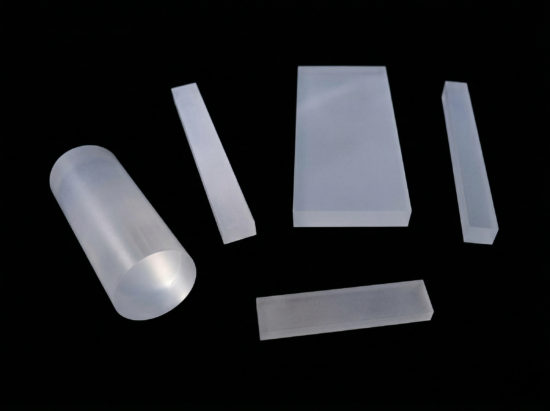
  • Crystal size, thickness, pixel size, and tolerance
  • Surface finish, polishing, wrapping, reflector, and coating
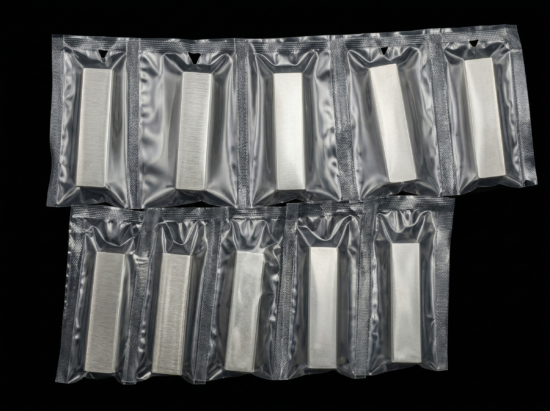
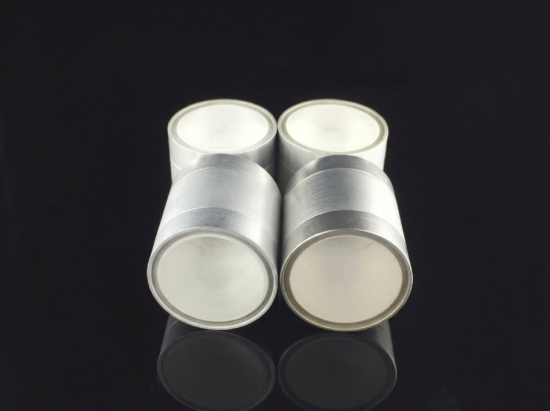
  • Hermetic encapsulation, optical windows, and housing materials
  • PMT, SiPM, photodiode, or custom optical readout matching
  • Prototype samples and repeat production according to drawing

Frequently Asked Questions

Which scintillation crystal is best for PET?

LYSO(Ce) is commonly selected for PET and TOF-PET because it combines high density, fast decay, and non-hygroscopic handling. GAGG(Ce) may be considered when high light output and no Lu-176 background are important.

Which scintillation crystal has the highest stopping power?

CdWO4, BGO, and LYSO(Ce) are high-density materials. The best choice depends on timing, light output, afterglow, intrinsic background, and cost constraints.

Can ATR Crystal make custom scintillator sizes?

Yes. ATR Crystal can review drawings for custom crystals, arrays, encapsulated scintillators, and detector assemblies.