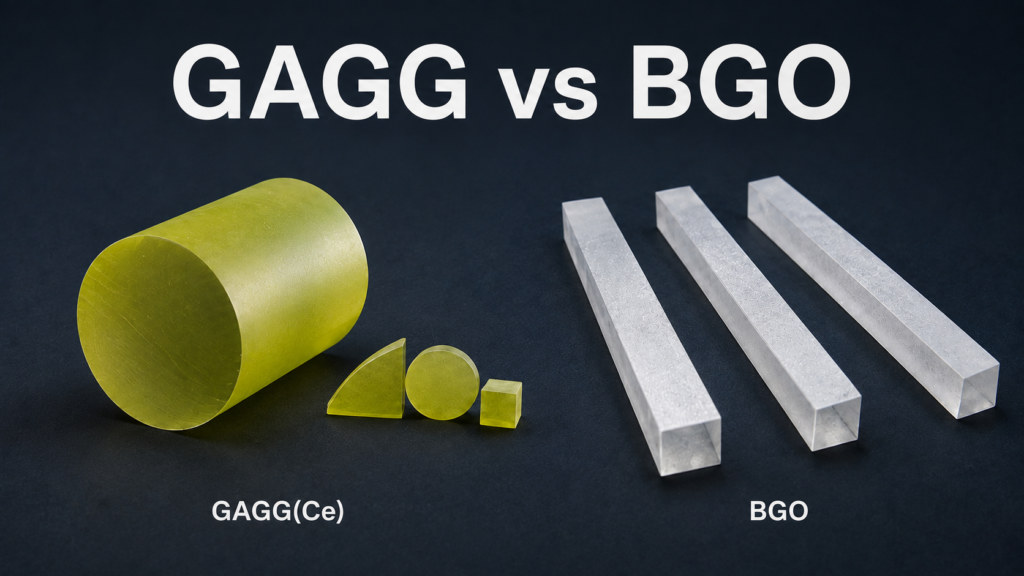
GAGG vs BGO Scintillators: Light Yield, Stopping Power and Readout
A brighter crystal is not automatically the better detector. When comparing GAGG(Ce) with BGO, the useful question is what the detector needs to do: separate nearby...
Read More
News Center
Read technical notes, product updates and application-focused articles about scintillation crystals, laser crystals, optical wafers and detector materials for imaging, inspection, spectroscopy and laser systems.
Topics
Explore crystal materials, detector components and custom product families.
Review use cases in imaging, inspection, laser systems and radiation measurement.
Follow updates around LYSO(Ce), NaI(Tl), BGO, GAGG(Ce), CsI(Tl) and related materials.
Read about Nd:YAG, Nd:YVO4, Cr:YAG, Er:YAG, Yb:YAG and ultrafast laser materials.
Latest news
A brighter crystal is not automatically the better detector. When comparing GAGG(Ce) with BGO, the useful question is what the detector needs to do: separate nearby...
Read More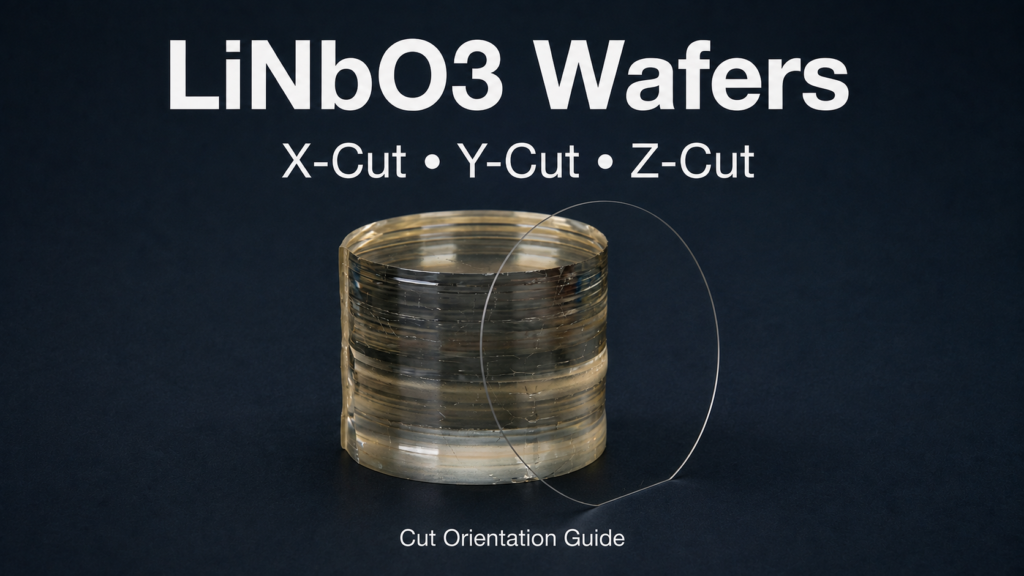
A request for “LiNbO3 wafer, Z-cut, double-side polished” may look complete, but it still leaves several practical questions unanswered. Which crystal axis is normal to the...
Read More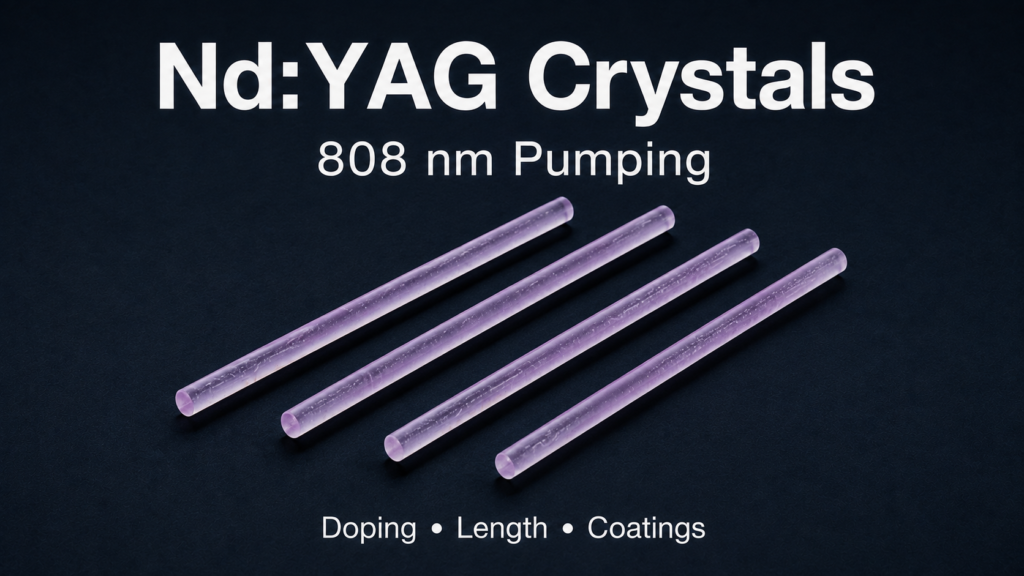
An Nd:YAG crystal can look simple on a drawing: a diameter, a length and two coated faces. Those details alone, however, do not show whether an...
Read More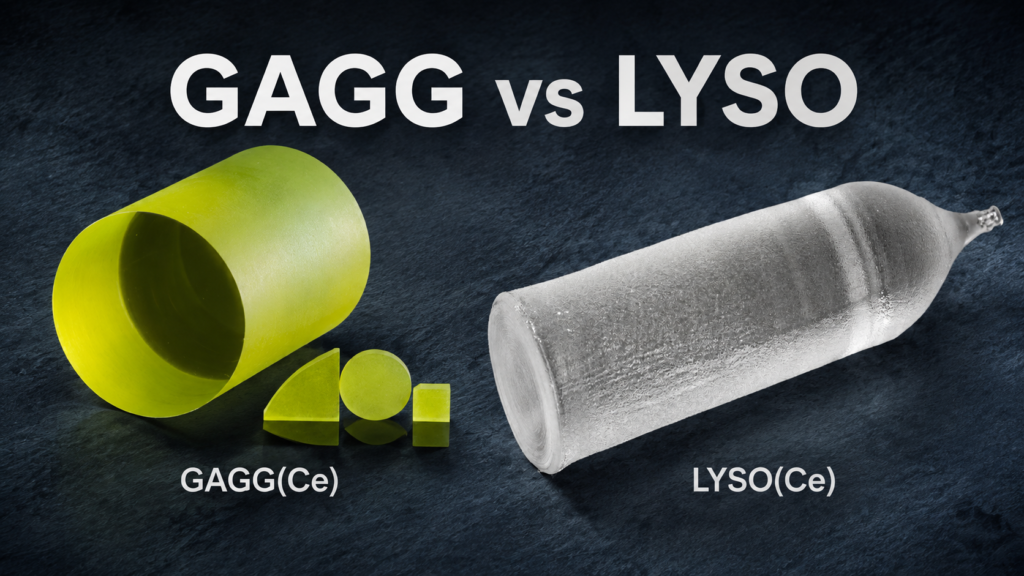
GAGG(Ce) and LYSO(Ce) are both non-hygroscopic inorganic scintillators used in compact gamma-ray detection and modern photosensor-coupled detector modules. The right choice depends on what the detector...
Read More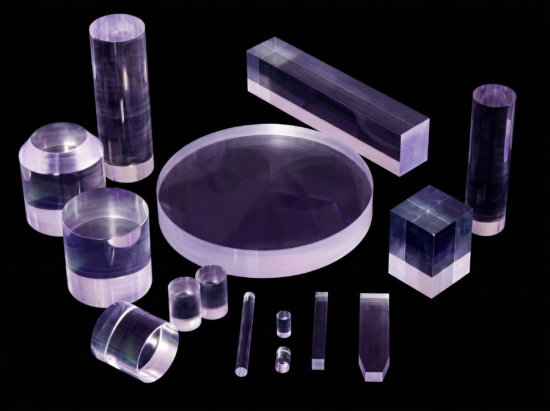
Prepared by ATR Crystal Technical Sales. Last updated: August 7, 2026. This guide covers material selection, panel geometry, optical treatment, detector integration and RFQ requirements for...
Read More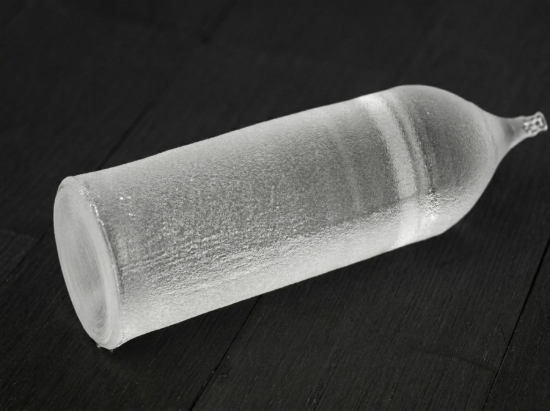
Scintillation crystal selection starts with the detector requirement, not with a single material name. The best choice depends on radiation type and energy, required timing, energy-resolution...
Read More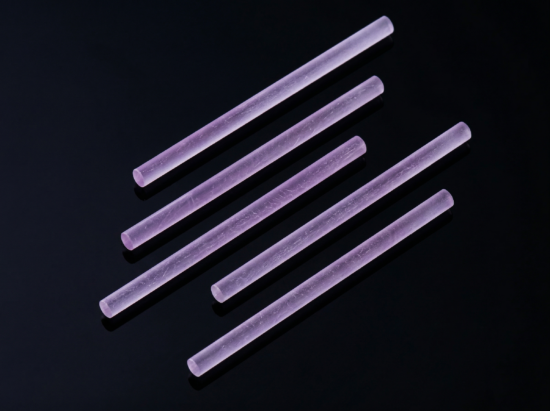
Laser Crystal Selection Guide: Nd:YAG, Cr:YAG, Er:YAG and Yb:YAG Choosing laser crystals starts with the function the material must perform inside the optical system. A solid-state...
Read More
Plastic scintillator is often selected when a detector needs a large active area, fast response, low material cost and practical machining. In customer discussions it may...
Read More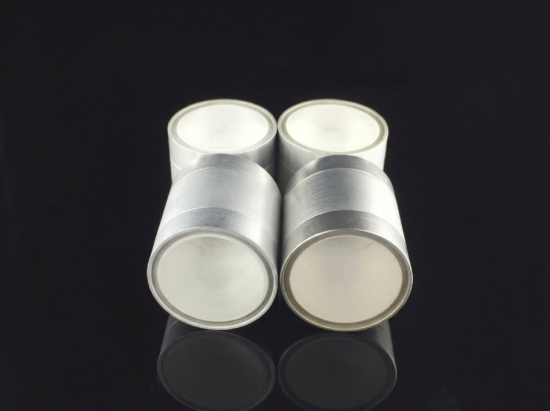
If a detector needs sharper isotope separation, faster pulse response and better high-count-rate behavior, LaBr3(Ce) scintillation crystal is usually the stronger material to review. If the...
Read More